Timothy Maxwell "Max" Keiser (born January 23, 1960) is an American broadcaster and film-maker. He hosts Keiser Report, a financial program broadcast on RT (formerly Russia Today).
Keiser also anchors On the Edge, a program of news and analysis hosted by Iran's Press TV. He hosted the New Year's Eve special, The Keiser's Business Guide to 2010 for BBC Radio 5 Live.
Keiser presented a season of The Oracle with Max Keiser on BBC World News. Previously he produced and appeared regularly in the TV series People & Power on the Al-Jazeera English network.
He also presents a weekly show about finance and markets on London's Resonance FM, as well as writing for The Huffington Post.
On the Sunday, August 12 edition of Infowars Live, Alex Jones hosts Max Keiser discussing the ravaged state of the U.S. economy and fragility of markets as published in a recent Fox News article The Coming Economic Collapse.
Republicans and Democrats offer the worst of all possible worlds. Ordinary people are entirely shut out. Growing numbers reject both parties for good reason. Money power owns them.
"Are you better off" than four years ago, asked The New York Times? "There is really no reason for any hesitancy. The country is unquestionably better off than it was in 2008."
Fact check
True to form, The Times offered a litany of lies. Bankers, other corporate favorites, and war profiteers fared handsomely. They still do. America's 99% got stiff-armed. Most US households were thrown under the bus.
Virtually no jobs were created. Full-time/good pay and benefit ones are disappearing. Real unemployment approaches 23%. In the Great Depression, it reached 25%. Serious efforts were made then to reduce it. Virtually nothing is done now.
US Census figures confirm half or more of US households living in poverty or bordering on it. Record numbers need food stamps to survive. Congress plans cuts when they're more than ever needed.
Feeding America says over 50 million Americans face hunger. One in six people are affected, including over one in five children. Political Washington ignores food insecurity. Serving corporate interests and imperial warmongers alone matter.
Duplicitous political convention rhetoric was enough to make a brash brigand blush. Banality took center stage. Demagogic deception hid reactionary extremism.
Convention delegates and ordinary people inhabit worlds apart. Pre-scripted yammering was predictable. Republicans showed contempt for human needs. Phony populism hid a similar Democrat agenda.
Privilege alone matters. Ordinary folks increasingly are on their own sink or swim. Obama's first term reflected it. Betrayal and failure defined it. Another four years assures more of the same and then some.
The man promising hope and change broke every major pledge made. Four demagogic years did Lincoln one better. He fooled most people enough to matter. He's beholden to big money. He never cared about ordinary people and doesn't now.
"Yes we can" conceals his dark side. No pun intended. He's a consummate con man. It's easy to know when he's lying, just watch his lips move.
Throughout his political career, he's been pro-corporate, pro-war, pro-Israel, anti-populist, anti-civil and human rights, and anti all values real democrats support.
He put Wall Street crooks in charge of looting the nation's wealth. He furthered the greatest wealth transfer in history. Rules, regulations, legal restraints with teeth, and taxes were slashed to help them. Plans are on track to make America resemble Guatemala.
Full-time/high pay/good benefit jobs are disappearing. So are social services. They're on the chopping block for elimination. The nation's middle class is targeted for destruction. A huge underclass is replacing it. America's more than ever militarized to control it.
Police state laws threaten freedom. Big Brother spying is policy. Privacy is a figure of speech. First Amendment rights and dissent are endangered. Tyranny, torture, corporate empowerment, and permanent wars define Obama's agenda.
He exceeded the worst of George Bush's harshness, lawlessness, and belligerency. Imagine what he plans if reelected. He waged war on Islam, Latino immigrants, animal and environmental rights activists, whistleblowers, people of color, the poor, anyone challenging state power, and civil rights lawyers who defend them too vigorously.
In Obama's America, only the privileged matter. Growing numbers of others are on their own hungry, homeless, and jobless.
He looted the nation's wealth, wrecked the economy, ravaged one nation after another, and continues waging war on humanity.
He executed two Latin American coups. Honduras' democratically elected president was ousted. So was Paraguay's. He militarized Haiti, opened the country for business, occupied it for plunder, rigged its election, installed a pro-Western stooge, and increased the growing burden of impoverished Haitians who deserve better.
He supports the world's worst despots. He sucks up shamelessly to Israel. He spurns long denied Palestinian rights. He plans war on Syria and Iran. Neither nation threatens anyone. America and Israel menace humanity.
He presides over a bogus democracy under a repressive police state apparatus. Habeas rights, due process, judicial fairness, and other civil liberty protections are quaint artifacts increasingly discarded.
Torture is official policy. So is Murder, Inc. Death squads operate in over 120 countries. Special forces and CIA operatives are licensed to kill. US citizens may be targeted at home or abroad. No one anywhere is safe.
Summary judgment means no arrests. No Miranda rights. No due process. No trial. Just a bullet, bomb or slit throat. It's official Obama policy. Diktat authority affords justice to no one ordered killed.
It also lets Obama order US citizens arrested and indefinitely held without charge or trial. No proof is needed, just suspicions that those detained pose threats. Constitutional protections no longer apply.
US military personnel may arrest and indefinitely detain anyone globally. No one anywhere is safe. Tyranny is policy. Obama seized virtual dictatorial powers. Anyone designated a potential enemy of the state, true or false, is targeted.
Political prisoners fill America's gulag. It’s the world’s largest by far and one of the worst. Muslims and people of color are most at risk. America's super-rich and corporate crooks are free to do what they please. Bad as things are now, expect worse.
War rages against labor. Budget-strapped states get little help. Welfare is being cut. So are Medicare for seniors, Medicaid for the needy, and other New Deal/Great Society programs.
Public education is being commodified. Plans call for making it another business profit center and ending government's responsibility. Health care is being rationed. Only those who can afford it will get help when they need it.
Food and drug safety don't matter. Nor do clean clean air or water. Small farms and businesses are being destroyed. Large ones are bigger and more dominant than ever.
Wall Street ones are up to one-fourth larger today than four years ago. They're double their size a decade ago relative to the economy. Ordinary Americans are much poorer and more deprived.
Financial reform was fraudulent. Institutionalized grand theft is policy. Business as usual lets Wall Street run the country. Consumer protections don't exist.
The worst of bad practices continue. Rules either don't exist or are made to be broken. Bankers get what they want. Ordinary people get scammed.
Obama promised "change you can believe in." He delivered betrayal instead. He's anti-progressive, hard-right, reactionary, belligerent, pro-corporate, and anti-populist. He's heartless, merciless, morally corrupt, and soulless.
Austerity is policy when help is needed. Draconian cuts were enacted. Many more are planned. Eliminating trillions of dollars in social service spending is policy. Democrats are in lock step with Republicans.
Corporate handouts, tax cuts for the rich, and Pentagon spending remain virtually untouched. Bad as things are now, imagine America in four years under either party.
Obama plans more of the same and then some. Romney is a religious extremist/corporate crook/socially destructive/imperial rogue.
He and Ryan plan exceeding the worst of Obama. Both are unapologetic. They're indifferent to human need and welfare. They represent everything wrong with a broken system. It's too corrupted, dysfunctional, and rotten to fix.
They're frontmen for financialized America, super-rich privilege, and imperial lawlessness. They guarantee worse wide awake nightmares than Obama.
America's choice in November is none. Bad as things are now expect worse. Bipartisan complicity assures it.
Source: mathaba.net - Author: Stephen Lendman; he lives in Chicago.
About 100 priests and monks fight for power. Palestinian police restore order in the Church of the Nativity in "Jesus's birthplace" after scuffles erupt between Armenian and Greek Orthodox clergymen.
Not their best fight.
Around: December 25, 2011
"I LOVE this video lol That's religion for you. ... My God IS my religion..so I can't go wrong. I bet God was SO proud that day... well done guys lmao" - Britinoz71
I’m not sure why Facebook thinks that giving friends the power to add you to any group out there is a good idea, but the feature is there and it is actively used. So, if you ever wanted to create a I’m the Greatest group and invite all your friends to it, then this is your chance to do just that. Your friends will be automatically added to the new group, and it is up to them to either try and get out of the group again or participate in it.
It is not really clear why they are not sending out invitations instead, which would give every friend the choice to either join the new group or ignore the invite to not join the group.
It is apparently only possible to invite friends into new Facebook groups. If you visit an old group page on Facebook you will see the following paragraph at the top.
Over the next few months, Facebook will be archiving all groups created using the old groups format. When this group is archived, its wall posts, photos and discussion threads will move to the new groups format, but group members will need to be re-added.
The new Group page it links to offers little information about the new group concept on Facebook. It is only possible to automatically add friends to new groups on Facebook. The old concept was to send friends invitations if you wanted them to join a group on Facebook.
The new group concept is obviously flawed, considering that the majority of Facebook users are not only friends with their closest friends and relatives, but with many different users of the social networking site.
This may open the door for spam or even malicious attacks in form of phishing links or software downloads. It does not necessarily have to go that far, but being a member of a group that you do not want to be part of may be be reason enough to be against the new group concept.
How can you stop people from adding you to Facebook Groups automatically? The short answer is, you cannot. The only option you have is to leave the group and contact the friend to let them know that you do not want to be part of the group. If you get re-added, your only option is to leave again and / or remove the friend who has added you from the friend list.
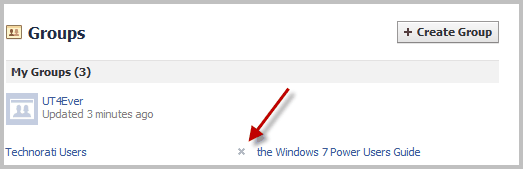
Here is how you leave groups. Click on Groups on your Facebook profile page. The groups link is located near the top right corner of the page.
There you see a list of all groups that you are a member of. To leave a group, hover your mouse cursor over the group. A blue x is displayed next to the group. Click on the x to leave the group.
You will get a remove group membership confirmation prompt. Select Remove if you are sure and want to leave the selected group on Facebook.
Have you been added by friends to groups automatically? How have you handled this?
Update: Some users think that this article is misleading, as it is not answering the question they came here for. Here are several options that users in the comments have pointed out:
You cannot be re-added to groups if you leave them, so this might help.
You can create or subscribe to a lot of bogus / empty groups to reach the group limit. Once you do you cannot be added anymore to new groups.
And finally: Communicate with those friends that add you to group ans see if you can get them to stop adding you to groups. If you cannot, you should consider unfriending then on Facebook as they cannot add you to groups if they are no longer your friend.
There you have it. Three perfectly fine answers for the issue at hand. It would obviously be better if Facebook would give users an option to accept or decline group invites, but since that is not an option right now, your only bets are the options listed above.
The purpose of this event is to set a particular day as a day to support free speech, support the right to criticize and satirize religion, and to oppose any resolutions or laws, binding or otherwise, that discourage or inhibit free speech of any kind. The focus on ‘blasphemy’ is simply because it is such a salient issue, and one for which a lot of consciousness-raising is necessary.
The goal is not to promote hate or violence. While many perceive blasphemy as insulting and offensive, it isn’t about getting enjoyment out of ridiculing and insulting others.
Criticism and dissent towards opposing views is the only way in which any nation with any modicum of freedom can exist. Post and send any images, quotes and stories that are blasphemous to our Facebook page (see right) on or before that day so that we publish them on 30th.
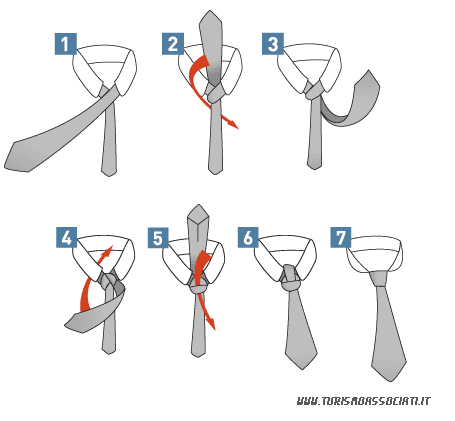
The Windsor, or double Windsor knot, is named after the Duke of Windsor, who made this tie knot popular. The double Windsor knot is the ideal choice for dress shirts with wide collar spread. If you need to fill that gap of a shark or Kent collar, choose this knot! The double Windsor necktie knot is a very popular knot, but it will also require some practice; therefore it is more suitable for the experienced tie wearer.
Did you know that the double Windsor is the most popular tie knot but also the knot that most men do not how to tie properly? Well, I hope that that the instructions below will help you master this tie knot.
If you like larger knots for your ties, just as they are popular in most parts of Europe, then the double Windsor is your knot. It is a very symmetric tie knot with a triangular shape. Although learning how to tie a double Windsor tie knot is a little trickier than other knots, it is quite simple to master if you follow the steps below. If you are still uncertain on tying the double Windsor, then you may want to view my How to Tie a Windsor Knot Video.
Instructions on How to Tie the Double Windsor Knot:
The double Windsor knot requires you to wrap the wide part twice around the narrow part. This means that more length of the tie is required. Start by placing the tie around your neck with enough length showing on the wide side of the necktie. Place the wide part across, and above the narrow part of the tie at a 90 degree angle.
Just like with the half Windsor tie knot, pull the wide part through the loop on the right side of your collar.
Then pull the wide side of the tie back behind the narrow part.
To make a double Windsor knot out of the half Windsor, do the same on the left side. Pull the half finished Windsor knot tight so both wrappings stay in place. Tip: Overlap both wrappings so that a triangular and symmetric shape appears.
Hold the loop open that you created on the last wrapping with your left hand, and pull the wide end of the necktie through the loop.
Slowly pull the Windsor tight.
Tighten the tie and flip down your shirts collars. Tying a double Windsor knot takes a little bit of practice. The most common mistake people make when tying a double Windsor knot, is in step 4. Make sure you overlap both wrappings. This ensures that the gap between both wrappings is closed which will prevent the tie from sliding into this gap. If this happens, the tie will not be centered on the Windsor.
Common mistakes people make when tying a double Windsor tie knot:
The most common mistake people make when tying a double Windsor knot, is in step 4. Make sure you overlap both wrappings. This ensures that the gap between both wrappings is closed which will prevent the tie from sliding into this gap. If this happens, the tie will not be centered on the Windsor. If this is the case, open the tie knot and start from step 1.
The tie is tied too short. Since the double Windsor knot requires two wrappings, you need to leave more length for the wide side of the tie. If this continues to be a problem then you might be too tall (above 6’3”) or have a wider neck. In your case, it is advisable to purchase extra long ties that are about 2-3 inches longer than a regular necktie. Common extra long ties measure about 59”-61”.
If the illustration wasn’t enough to teach you the double Windsor knot, then these video instructions might help. I suggest you take a few minutes to watch this video a few times. Then print out our instructions and start practicing the double Windsor in front of a mirror. I suggest you use an older and cheaper necktie until you have mastered this popular tie knot.
Does marijuana cause cancer? The censorship-happy government’s war on marijuana may be sorely misplaced, especially when considering all the other issues in need of focus. Dr. Sean McAllister of the Pacific Medical Center in San Francisco has spent years researching cannabidiol, a cannabinoid found in cannabis, the plant that flowers marijuana. "Cannabidiol offers hope of a non-toxic therapy that could treat aggressive forms of cancer without any of the painful side effects of chemotherapy," he says.
You might remember Cash Hyde, the 3-year-old boy from Montana diagnosed with brain cancer but who beat it with his father Mike’s help and marijuana oil. Well, Hyde’s case isn’t the only one revealing the positive relationship between marijuana and cancer.
Does Cannabis Cause Cancer? THC (tetrahydrocannabinol also known as delta-9-tetrahydrocannabinol ) as Therapy
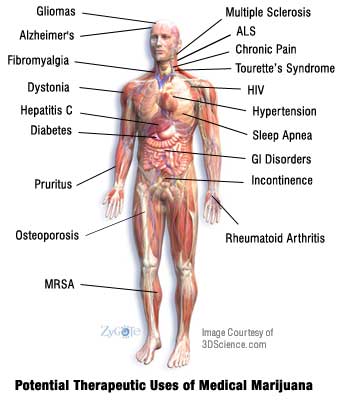
In 1998, Cristina Sanchez of Complutense University in Madrid reported in a European biochemistry journal that THC—the famed psychoactive component in marijuana—“induces apoptosis [cell death] in C6 glioma cells,” which are a type of brain cancer.
Lead author of another study and Harvard University researcher Anju Preet says, "THC can have a potential therapeutic role." His findings, presented in a 2007 American Association for Cancer Research in Los Angeles, showed that THC has a direct antitumoral effect.
THC’s First Human Trial
The first clinical trial studying THC’s antitumoral effect on humans was conducted by Manuel Guzman and his team of Spanish scientists. Guzman administered THC to nine patients who had not responded to traditional brain cancer therapies for the study. As published in a 2006 issue of the British Journal of Pharmacology, tumor cell proliferation reduced in response to THC administration through a catheter – showing the medical benefits of marijuana.
THC and the Lungs
Another Harvard study reports that THC slows lung cancer progress. Moreover, unlike chemotherapy which damages all cells—healthy or cancerous—THC specifically destroyed tumoral cells without harming healthy ones.
In another study published in the Journal of American Medical Association, spanning from 1985 to 2006, over 5,000 men and women smoked about one joint daily for seven years. Co-author Stefan Kertesz found that subjects, rather than having damaged lungs, showed increases in lung air flow rates. Surprising findings indeed.
Cannabidiol and Breast Cancer
With backing from the National Institute of Health, Dr. Sean McAllister conducted a study and found that cannabidiol inhibited breast cancer cell proliferation, metastasis, and tumor growth.
McAllister researched cancer’s relationship to the ID-1 gene—a protein active during embryonic development but, in healthy subjects, turns and stays off. In the case of breast cancer patients, the gene turns back on, which causes malignant cells to metastasize. In the journal Molecular Cancer Therapeutics, McAllister wrote that cannabidiol switches off the gene’s expression.
McAllister found that cannabidiol can even work alongside standard chemotherapy treatments by performing synergistically with pharmaceuticals. This means that maximum, toxic doses don’t have to be administered.
Despite accusations that marijuana smoking can compromise the immune system, mountains of research indicate that the plant has more to offer than a high. More studies are undoubtedly in the works.
—
In this research, Manuel Guzman located in Madrid, Spain discovered that cannabinoids substantially inhibit the growth of tumors in a variety of lab animals. In the study he also found that not one of these tested animals endured any kind of side effects seen in many similar chemotherapy treatments.
If all of the research doesn’t appeal to you, then maybe the 2,500 total studied patients throughout these 37 controlled studies may. None of the patients reported any kind of adverse side effects from the use of THC and based medication – further adding to the benefits of medical marijuana and strengthening the positive connection between marijuana and cancer.
So, does marijuana cause cancer, or does it fight cancer?
Cele 6.000 de întreprinderi au fost vândute cu aproximativ 70 miliarde de euro (10% din valoarea de piata). PE CELE 6.000 DE ÎNTREPRINDERI PRIVATIZATE FRAUDULOS S-AU ÎNCASAT, PÂNA ÎN MOMENTUL DE FATA, NUMAI 7 MILIARDE DE EURO (ADICA 1% DIN VALOAREA DE PIATA). Prin privatizarea ilegala a acestor întreprinderi s-au pierdut peste 6 milioane de locuri de munca.
Opozitia, scoasa din joc cu minerii
Mineriada din iunie ’90 este, de fapt, consecinta unui sir de evenimente, fiecare de natura sa puna o mare stavila în calea trecerii la capitalism, si nu poate fi judecata separat de ele atunci când se pun chinuitoarele întrebari care au însotit tranzitia. Înca din primele luni ale anului, a existat suspiciunea ca noua conducere provizorie instalata în 22 decembrie ’89, în frunte cu fostul comunist Ion Iliescu, intentioneaza sa-si permanentizeze puterea. Proaspat reînfiintatele partide istorice au organizat manifestatii în Bucuresti, iar puterea, benefiicind si de serviciile unei televiziuni publice aservite, a organizat contramanifestatii, la care au participat atât muncitori de la marile uzine bucurestene, cât si mineri adusi din Valea Jiului. Au fost batai, arestari, devastari de spatii, dar de mica amploare. Frontul Salvarii Nationale (FSN) a anuntat ca va participa la alegerile din 20 mai, pe care tot el (printr-o structura, în care, de ochii lumii, a invitat si opozitia - Consiliul Provizoriu de Uniune Nationala) le organiza. Aprilie 1990 a marchat debutul a ceea ce s-a numit "fenomenul Piata Universitatii". Mii de oameni s-au strâns în piata (denumiti de Iliescu "golani"), au demonstrat zi de zi împotriva neo-comunismului, balconul de la Universitate devenind o tribuna a mesajelor anticomuniste la care a avut acces oricine. Poporul a decis însa altceva la 20 mai, zi care a ramas în istorie sub numele de "duminica orbului": FSN a iesit câstigator cu aproape 70%, iar Ion Iliescu a devenit presedinte cu 85%, în conditiile unei participari masive la vot: aproape 90% din populatia cu drept de vot.
Democratia predata cu bastoanele minerilor
Dupa mineriadele din 1990, venirea minerilor se permanentizeaza. Devine un fenomen. Se spune ca era principala arma a lui Ion Iliescu pentru a face ordine cu mijloace neoficiale. Urmatoarea mineriada majora avea sa aiba loc la scurt timp: septembrie 1991. Acelasi Miron Cozma, aceiasi mineri din Valea Jiului. De data aceasta, "ortacii" cer demiterea primului-ministru, se spune ca la indicatia lui Ion Iliescu. Dupa ce este atacata cladirea Guvernului în data de 26 septembrie, cabinetul Petre Roman îsi da demisia. Ultima mineriada a avut loc în 1999, dupa arestarea lui Miron Cozma din 1997.
Caritas-ul, primul tun din istoria economica
A fost organizat de catre compania "Caritas" din Cluj-Napoca, fondata de catre Ioan Stoica, un apropiat PSD, si a fost lansat în anul 1991. Numele "Caritas" apartine, de drept, unei organizatii de binefacere catolice, dar Ioan Stoica l-a preluat fara a cere vreo aprobare. Sistemul lui Stoica promitea restituirea, dupa trei luni, a unei sume de opt ori mai mari decât banii investiti. Listele cu depunatori carora le venise rândul la câstig erau publicate în cotidianul "Mesagerul transilvan". Caritas-ul a atras un numar de 400.000 de deponenti din întreaga tara, care au investit 1.257 miliarde de lei (aproape 1 miliard USD) înainte de a da faliment la data de 14 august 1994, având o datorie de 450 milioane USD. Platile încetasera, de fapt, în octombrie 1993. Unii politicieni din PSD au retras mari sume înainte de pra-busirea Caritas-ului. Surprinzator a fost si faptul ca puterea politica de la acea vreme, cu Ion Iliescu în frunte, nu a facut niciun demers pentru oprirea Caritas-ului.
FNI, al doilea Caritas
Fondul National de Investitii a fost înfiintat în anul 1995, în baza O.G. nr. 24/1993, aprobata prin Legea nr. 83/1994. Înfiintarea acestui fond deschis de investitii – fond mutual -, precum si a societatii de administrare S.C. "SOV INVEST" S.A., a fost avizata fara niciun fel de mentiuni de restrictie a duratei de valabilitate, de catre C.N.V.M. – forul competent – prin Deciziile nr. 159/15.09.1995 si nr. 157/15.09.1995. FNI, în spatele caruia s-a aflat Sorin Ovidiu Vântu, a dus la 300.000 de pagubiti cu peste 300 de milioane de dolari. Pe 6 martie 2003, directorul SRI, Radu Timofte, referindu-se la cazul FNI, afirma în plenul Parlamentului: "Cetatenii, societatea si chiar institutii ale statului au fost victimele unei mari manipulari puse la cale de «escroci de geniu», din conducerea si compunerea retelelor crimei organizate internationale, care mai sunt înca în umbra, fiindca cei scosi în fata nu sunt decât niste pioni. (…) Artizanii escrocheriei nu au plecat, au fost întotdeauna peste granita. Au fost si pioni pe teritoriul României. Va asigur ca s-a stiut totul în legatura cu FNI".
Devalizarea Bancorex de catre mafia politica
Banca Româna de Comert Exterior a fost înfiintata ca banca specializata pe opera-tiunile cu strainatatea, desprinsa din Departamentul de Relatii Externe al Bancii Nationale a Republicii Socialiste România. În 1995, numele BRCE este înlocuit cu "Bancorex", din ratiuni de marketing. În 1996 detinea circa 60% din operatiunile de comert exterior ale României si era foarte activa în domeniul importurilor de energie. Bancorex s-a aflat în centrul unui puter-nic scandal politico-financiar, cauzat de politica defectuoasa a bancii si acordarea de credite pe criterii politice. A avut loc asa-zisa "devalizare" a bancii. Niciodata cei care au luat bani nu au fost judecati pentru acest lucru. Românii au platit aproximativ doua miliarde de dolari, bani de care au be-neficiat prietenii politici ai PSD printre care Fathi Taher, Costel Bobic, Viorel Popa (Cibela Group) si Gheorghe Florea Bragadiru. 2000-2004 – România, ajunsa pe mâna baronilor PSD Pe vremea guvernarii PSD, Ion Iliescu – presedinte si Adrian Nastase – premier, România ajunge pe mâna baronilor locali ai PSD. Încep sa se construiasca marile averi de sute de milioane de dolari, bani facuti în majoritatea cazurilor din afaceri cu statul. Marian Oprisan (Vrancea), familia Sechelariu (Bacau), Radu Mazare (Constanta), Ioan Niculae (Teleorman), Ioan Neculaie (Brasov), Fratii Cristescu (Timisoara), Gheorghe Bosânceanu (Constanta), Dinel Staicu (Craiova), Corneliu Iacubov (Bacau) sunt doar câteva exemple. Acesti oameni sunt ajutati de Hrebenciuc, Cozmânca, Serban Mihailescu (Miky Spaga) sau Ristea Priboi, oameni din anturajul lui Adrian Nas-tase.
Privatizarea Sidex Galati
Otelul a fost una dintre cele mai rentabile afaceri din România. Sidex a fost capusat în sistem Petrom si adus în situatia de a pierde 1 milion de dolari pe zi. În aceste conditii, a fost vândut pe nimic (25 de milioane de dolari!) lui Mittal Steel Galati pe relatia Nastase – Anglia. Dupa patru ani de la privatizare, Mittal Steel Galati a devenit cea mai mare companie privata din România. Cifra de afaceri a combinatului a atins 2,1 miliarde de dolari în 2004. Afacerile Ispat Sidex au crescut în fiecare an – de la 880 de milioane de dolari în 2001, la 1,28 miliarde de dolari în 2003 si la 2,1 miliarde de dolari în 2004. Am aflat si pretul real la care ar fi trebuit vândut Sidex: un miliard de dolari!!! Privatizarea Petromidia - Dinu Patriciu În 2001 s-a realizat o alta privatizare rasunatoare: Complexul Petrochimic Midia-Navodari, devenit SC Petromidia SA (simbol RRC), a fost vândut lui Dinu Patriciu, dupa ce tot el încercase preluarea companiei câtiva ani mai devreme. Pe vremea PSD s-a dat perla României unui liberal, iar Guvernul Adrian Nastase a dat HG 118/2003 prin care datoriile de 600 de milioane de dolari erau reesalonate pe o perioada de 7 ani! Asa a devenit Dinu Patriciu multimiliardar, iar bugetul României a saracit cu sute de milioane de dolari.
Dan Ioan Popescu –Retehnologizarea Portilor de Fier
Tot pe vremea PSD se coace prima afacere de peste un miliard de dolari: retehnologizarea Portilor de Fier. Ce au facut iugoslavii cu 100 de milioane de dolari, românii reusesc sa faca cu peste un miliard de dolari, cea mai mare afacere din România pâna în 2004. În centrul afacerii se gaseste un mare nume al PSD: Dan Ioan Popescu, fost ministru al Economiei si Comertului, care a fost anchetat pentru neconcordante în privinta averii.
Vânzarea Petrom
Privatizarea SNP Petrom SA a fost o greseala economica grava, pentru ca a fost o decizie pur politica, care a surclasat datele economice. Specialistii în petrol si gaze au analizat toate aspectele celei mai importante privatizari a anului 2004 si au ajuns la concluzia ca, fiind folosita în scopuri politice, statul a fost pagubit într-un singur an dupa privatizare cu mai mult de 4 miliarde de euro. La data privatizarii, SNP Petrom SA avea ca obiect de activitate, în principal, exploatarea zacamintelor de petrol si gaze naturale de pe uscat si din platoul continental al Marii Negre, rafinarea si prelucrarea titeiului, transportul si comercializarea produselor petroliere, comercializarea gazelor, importul si exportul de titei, produse petroliere, utilaje, echipamente si tehnologii specifice. SNP Petrom SA, anterior privatizarii, se definea ca unul dintre cei mai importanti producatori de petrol si gaze din Europa Centrala si de Est, singurul producator de titei din România, neavând concurent în acest do-meniu, si cel de-al doilea producator de gaze naturale, cu o productie în 2003 de 6,129 miliarde metri cubi si o cota de 34% la furnizare. În studiul de piata realizat pentru privatizarea Petrom, în mai 2003, consultantul tehnic, Jacobs Consultancy, anunta Ministerul Industriei ca a identificat rezerve de 128 milioane de tone echivalent petrol, plus 16 milioane de tone petrol în Kazahstan, din concesionare. Niciuna nu fusese exploatata. Din datele contabile înainte de privatizare consemnam activul net de 62.373.020.622 mii de lei si profitul net de 2.282.082.505 mii de lei. Conform contractului de privatizare, OMV a platit statului român suma de 668,815 milioane de euro pentru 33,34% din pachetul de actiuni, iar compania Petrom a intrat pe mâinile austriecilor de la OMV la un pret subevaluat cu aproape 50% din cauza estimarilor facute de consultantii care au analizat rezervele de titei ale Petrom. Banca elvetiana Credit Suisse First Boston si cea olandeza ING au evaluat rezervele companiei române cu un pret maxim de 22 de dolari pe baril pâna în 2012. În momentul semnarii contractului de privatizare - la aproximativ 1 an dupa evaluarea initiala -, pretul titeiului ajunsese deja la 35 de dolari pe baril, iar prognozele indicau înca de mai demult o ascensiune de durata a preturilor combustibililor. La pretul de 22 de dolari pe barilul Brent, divizia de extractie si exploatare a Petrom a fost evaluata de consultanti la 1,7 miliarde de dolari, valoare ce corespunde activului net mentionat, iar întregul Petrom la 2,8 miliarde de dolari. Dar, în evaluarea facuta pentru Guvern, acelasi consultant preciza ca "o variatie de 2 dolari în pretul petrolului Brent conduce la o schimbare de 700 de milioane de dolari în valoarea companiei". Responsabili de privatizarea SNP: Adrian Nastase si Dan Ioan Popescu. Este afacerea din care România a pierdut cei mai multi bani.
* Proiectul minier a obtinut acordul din partea Agentiei Regionale pentru Protectia Mediului Timisoara
* ONG-urile de mediu: "Cerem USL si Guvernului României sa îsi asume public emiterea acordului de mediu pentru un proiect minier bazat pe cianuri"
* Ministrul Mediului cere demiterea directorului executiv al Agentiei Regionale pentru Protectia Mediului Timisoara
* Gabriela Lambrino, directorul Agentiei Regionale de Mediu Timisoara: "Decizia finala în cazul Certej a fost luata în prezenta consilierului ministrului Mediului"
Informatia transmisa de mai multe ONG-uri potrivit careia proiectul minier de la Certej a primit autorizatia de mediu a stârnit tensiuni între autoritatile competente. În timp ce Rosia Montana Gold Corporation asteapta de ani buni avizul de la Ministerul Mediului, proiectul de la Certej, în judetul Hunedoara, nu a avut nevoie decât de aprobarea Agentiei de Mediu Timisoara, pe care a si primit-o, în iulie 2012.
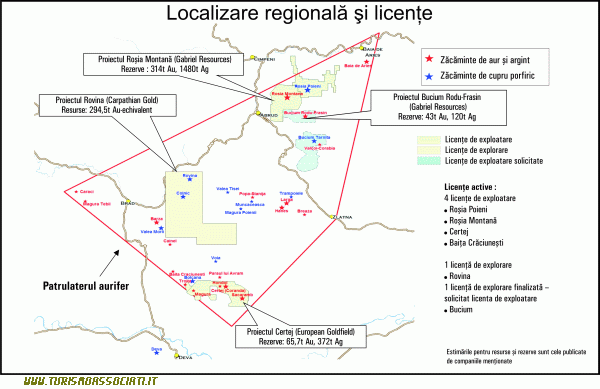
Productia în cadrul proiectului minier de la Certej (judetul Hunedoara), detinut de Deva Gold SA, ai carei actionari sunt Eldorado Gold Corporation (80%) si compania de stat Minvest Deva, va începe, cel mai probabil, în trimestrul al doilea din 2015, potrivit site-ului investitorului strain.
Eldorado Gold anunta, totodata, ca proiectul de la Certej a primit acordul de mediu în iulie acest an.
Zacamântul de la Certej este bogat în aur si argint. Potrivit estimarilor investitorului strain, productia de aici va fi de 130.000 uncii aur/an, respectiv de 660.000 uncii argint/an.
Contactat de ziarul BURSA, directorul general al Deva Gold, Nicolae Stanca, ne-a transmis ca procedurile de obtinere a avizelor pentru exploatarea de la Certej au început în 2009, fiind finalizate în iulie 2012: "A fost o procedura transfrontaliera, coordonata de Ministerul Mediului, cu dezbateri repetate ce au avut loc inclusiv în Budapesta". "Ungurii si-au spus punctul de vedere, care a fost în afara legislatiei românesti si a celei europene. S-au împotrivit, pentru ca Muresul curge si pe la ei. Am primit avizele de mediu pe doua legislatii: cea româneasca si cea europeana. Au avut loc mai multe întâlniri, la care au participat Ministerul Mediului, Agentia Nationala pentru Protectia Mediului. S-a întrunit comisia tehnica din cadrul Ministerului Mediului. Au fost si Apele Române. Dupa ce au tot cerut completari, acum, în iulie, s-au dat avizele. Reprezentantii comisiei de analiza tehnica au spus ca nu mai au nimic de comentat si ca s-a respectat legislatia nationala si internationala în materie".
* ONG-urile: "Ceea ce guvernele anterioare doar au discutat, Guvernul Ponta a realizat în numai doua luni de la numire"
Asociatiile "Centrul Independent pentru Dezvoltarea Resurselor de Mediu", "Alburnus Maior" si "Re.Generation" condamna emiterea recenta a acordului de mediu pentru proiectul Certej, "prima exploatare a aurului la scara larga pe baza de cianuri din România".
ONG-urile au declarat: "Prin detaliile sale - impactul devastator asupra mediului, vicii de legalitate, reteaua de actionari, respectiv companiile detinatoare, proiectul de exploatare de la Certej se aseamana celui propus la Rosia Montana, atragând de-a lungul timpului critici serioase din partea organizatiilor de protectia mediului din România.
Proiectul, care ocupa o suprafata de 456 de hectare, presupune procesarea a 45 de milioane de tone de minereu - cu o concentratie de 1,8 g de aur pe tona de minereu - si utilizarea unei cantitati de cianura de sodiu de 1.653 tone pe an, timp de 16 ani, perioada de operare a minei. Ca si în cazul proiectului Rosia Montana, reziduurile rezultate dupa prelucrare, inclusiv cele cu cianura si metale grele, vor fi depozitate într-un iaz de decantare în aer liber cu o suprafata totala de 63 de hectare".
ONG-urile arata, totodata, ca ceea ce guvernele anterioare doar au discutat, Guvernul Ponta a realizat în numai doua luni de la numire: "Desi, atât premierul Victor Ponta, cât si ministrul Mediului si Padurilor Rovana Plumb sustineau cu tarie, la începutul mandatului, ca proiectul minier de la Rosia Montana nu poate merge înainte fara garantii de mediu, renegocierea participatiei statului sau desecretizarea contractului, mimând astfel responsabilitate fata de implicatiile serioase pe care asemenea proiecte de exploatare le ridica la adresa mediului si comunitatilor afectate, Guvernul nu a solicitat nicio garantie de mediu pentru aprobarea proiectului de la Certej. Participatia statului român, similara celei de la Rosia Montana, este acceptata în forma actuala, iar contractul ce sta la baza acestui proiect este tot unul secret".
Mai mult, în emiterea acordului de mediu pentru proiectul de la Certej, autoritatile au considerat ca acceptabil impactul produs de consumul a 29 de milioane de metri cubi de apa din râul Mures, defrisarea a 187 de hectare de padure si suprapunerea proiectului minier cu situl Natura 2000 - ROSPA 0132 Muntii Metaliferi pe o suprafata de 108 hectare, subliniaza ONG-urile.
Eugen David, presedintele Alburnus Maior, spune: "Cerem USL-ului si Guvernului României sa îsi asume public emiterea acordului de mediu pentru un proiect minier bazat pe cianuri si sa explice tuturor românilor beneficiile sale de mediu, economice si sociale".
* Ministrul Mediului, Rovana Plumb, dispune verificarea acordului de mediu pentru Certej
Ministrul Mediului si Padurilor, Rovana Plumb, a dispus prin ordin verificarea, în regim de urgenta, a acordului de mediu pentru proiectul de la Certej, de catre Garda Nationala de Mediu si Agentia Nationala pentru Protectia Mediului, a transmis, ieri, printr-un comunicat, Ministerul Mediului si Padurilor. Documentul mai precizeaza: "Se va urmari verificarea procedurilor urmate în legatura cu acest acord de mediu pentru a se vedea în ce masura s-au respectat toate prevederile legale.
De asemenea, ministrul Mediului si Padurilor a solicitat conducerii Agentiei Nationale pentru Protectia Mediului demiterea directorului executiv al Agentiei Regionale pentru Protectia Mediului Timisoara, pentru ca nu a informat autoritatea de mediu în legatura cu emiterea acordului de mediu pentru acest proiect, având în vedere ca este vorba de un obiectiv de interes national si international". Daca Ministerul va constata ca acordul nu a fost emis în conformitate cu legea, acesta va fi anulat.
* Gabriela Lambrino, directorul ARMT: Agentia a urmat toti pasii înaintea emiterii acordului de mediu pentru Certej
Agentia Regionala de Mediu Timisoara (ARMT) a urmat toti pasii înaintea emiterii acordului de mediu pentru proiectul minier de la Certej, iar legislatia nu prevede informarea autoritatii de mediu în astfel de cazuri, a declarat, ieri, pentru Mediafax directorul agentiei, Gabriela Lambrino. Domnia sa a precizat: "La nivel de aplicare a legislatiei, totul a fost în regula. Legislatia de mediu înca în vigoare asa prevede, nu e necesara anuntarea autoritatii nationale de mediu. Nici acum legislatia de mediu nu prevede ca un amplasament într-o regiune sa fie aprobat de Agentia Nationala de Mediu. Daca, de exemplu, proiectul se întinde pe doua regiuni, atunci competentele revin Agentiei Nationale".
Gabriela Lambrino a spus ca nu sunt motive pentru a fi demisa si ca nu intentioneaza nici sa demisioneze din functie: "Acel proiect nu avea de ce sa ajunga la Agentia Nationala de Mediu. Doamna ministru Rovana Plumb are competente sa trimita Corpul de control. Deocamdata mi s-a solicitat un calendar cu toata procedura, si (...) îl vom trimite la minister. Nu înteleg de ce doamna ministru nu i-a consultat si pe colegii din minister, de la compartimentul de autorizari, care cunosteau o buna parte a actelor".
Gabriela Lambrino a explicat, totodata, ca primul pas în obtinerea acordului de mediu a fost solicitarea avizului de PUZ, iar ultimul pas a fost emiterea acordului de mediu: "Primul pas a fost solicitarea avizului de PUZ prin care s-a schimbat functiunea zonei, din teren agricol în teren industrial pentru destinatia de exploatare miniera auro-argintifiera. Solicitarea a fost depusa în anul 2007 si s-au urmat toate procedurile legale din legislatie, inclusiv trimiterea catre minister a faptului ca aceasta unitate ar putea avea impact transfrontier, în sensul ca ar putea fi afectate statele învecinate. Mai exact, în cazul în care nu se respecta anumite chestiuni: nu se face un baraj solid si apele care spala exploatarea, care au un oarecare continut de cianuri, se varsa în râul Mures si dau peste toate stopurile din cale, peste baraje, e normal ca Muresul sa poata polua prin circuitul de apa. Dar la cât e debitul de pe Mures, nu au cum sa polueze, nici macar pestii nu vor fi afectati. Impactul transfrontier s-a facut cu consultarea partilor vizate si anume Ministerul Mediului din Ungaria si Ministerul Mediului din Serbia".
Directorul Agentiei Regionale de Mediu Timisoara a subliniat ca procedura pâna la emiterea acordului de mediu a fost una anevoioasa si s-au tinut sedinte de consultari în cele trei state vizate: "Procedura pâna la a ajunge sa emiti un acord de mediu e anevoioasa. S-au tinut consultari în Ungaria, la Budapesta si Szeged, dar si în Serbia. S-au tinut astfel de consultari si la Timisoara. În final, Ministerul Mediului a trimis documentul care atesta oficial ca s-au încheiat consultarile dintre cele trei state, anul acesta, în luna februarie. În decembrie anul trecut a avut loc ultima runda de consultari în Timisoara. În cadrul procedurii au avut loc inclusiv dezbateri publice din care a rezultat ca se doreste construirea proiectului respectiv. În iulie 2012, dupa ce existau toate avizele si documentele solicitate, nemaijustificându-se alta solicitare, s-a emis acordul de mediu. O respingere nu se poate da decât în conditii de ilegalitate, iar aici nu era cazul", a spus Lambrino.
Mai mult, Gabriela Lambrino a spus ca decizia finala în privinta acordului de mediu pentru exploatarea miniera de la Certej a fost luata la Deva, la începutul lunii iunie, în prezenta Georgetei Barabas, actual consilier al ministrului Mediului: "Decizia finala a fost luata la Deva, la începutul lunii iunie, când doamna Rovana Plumb era deja numita ministru, împreuna cu toate institutiile care ne acuzau, pâna în acel moment, de încetinire a proiectului, inclusiv Agentia Judeteana de Mediu, condusa atunci de Georgeta Barabas, actualmente consiliera a ministrului Mediului, Rovana Plumb".
* Ungaria, direct afectata în cazul unui accident la Certej În cadrul discutiilor cu autoritatile române, Ungaria s-a opus proiectului de la Certej, motivând ca Muresul este sursa de aprovizionare cu apa a proiectului. Mai mult, daca ar avea loc un accident la iazul de decantare, Muresul ar fi principalul curs de apa afectat. Desi proiectul de la Certej se va întinde pe aproape 500 de hectare, pe o suprafata cu mult mai mica decât cea de la Rosia Montana (1600 hectare), iar cantitatea procesata de minereu va fi la jumatate, se pare ca, din punct de vedere tehnic, proiectul hunedorean este mult mai slab, ne-au declarat surse. Acestea au aflat, în urma unor discutii cu oficiali unguri, ca vecinii nostri trebuie sa se decida daca vor desfasura demersuri diplomatice pentru opirea lucrarilor de la Certej sau vor apela la Curtea Europeana de Justitie.
Autor: Viviani Mirica
* Tudor Bradatan, Centrul Independent pentru Dezvoltarea Resurselor de Mediu: "Evaluarea impactului asupra mediului pentru proiectul Certej ne-a provocat înca de la începutul sau serioase îngrijorari, prezentând numeroase vicii de legalitate. Lipsa studiilor si a evaluarilor impactului asupra biodiversitatii, conform Directivei Habitate si Directivei Pasari, sau lipsa oricaror evaluari privind potentialul arheologic al zonei si starea de sanatate a populatiei privind substantele periculoase ne îndreptatesc sa ne adresam Comisiei Europene pentru controlul conformitatii cu normele de drept comunitar amintite, dar si sa cerem instantei nationale competente anularea acordului de mediu emis".
* Investitia de la Certej, din faza de constructie a minei, se va ridica la 200 milioane de euro
Directorul general al Deva Gold, Nicolae Stanca, ne-a spus ca proiectul de la Certej nu va utiliza cianura "în faza de concentrat", adica în etapa de separare a aurului de minereu, ci o tehnologie clasica, de flotatie, de macinare fara cianura. Cianura va fi folosita în faza de prelucrare a concentratului în circuit închis, ne-a explicat reprezentantul Deva Gold, iar concentratia din iazul de decantare va fi de 3 miligrame de cianura/litru, fata de 10 miligrame/litru, cantitatea maxima de cianura permisa de Uniunea Europeana.
Potrivit lui Nicolae Stanca, exploatarea de la Certej se va întinde pe 16 ani, iar reabilitarea va dura 4 ani. Acolo vor functiona doua iazuri de decantare, unul cu o capacitate de 30 milioane de tone, care va contine doar piatra macinata, plus altul cu o capacitate de 300 milioane tone, care va contine si cianura, ne-a explicat directorul Deva Gold.
Urmatoarea etapa în cadrul proiectului de la Certej este obtinerea autorizatiilor de constructie, "pentru tot ceea ce înseamna mina, sediul social, infrastructura", mai arata Nicoale Stanca, care subliniaza ca localnicii asteapta cu sufletul la gura sa înceapa exploatarea: "Aici, somajul este de 70-80%. Oamenii asteapta nerabdatori sa înceapa proiectul. Aici vor lucra circa 800 de persoane, în faza de constructie a minei si 550 în etapa de exploatare propriu-zisa.
Investitia de la Certej, din faza de constructie a minei, se va ridica la 200 milioane de euro, spune Nicolae Stanca, adaugând: "Redeventa platita catre stat va fi de 6-8% din produsul finit, aur si argint, potrivit cotatiilor de pe bursa. Se adauga impozitele pe salarii, care vor ajunge la buget. Pâna acum, investitorul a platit circa 20 milioane euro pe terenurile cumparate de la persoane fizice. Pe de alta parte, primaria i-a concesionat o parte din terenul de care are nevoie. Investitorul achita, totodata, catre Agentia Nationala pentru Resurse Nationale, o taxa anuala de exploatare, de 25.000 lei/km patrat, pentru o un teren de 42 kilometri patrati (circa 238.000 euro, la cursul actual - n. r.)".
---
"Eldorado Gold Corporation" este o companie miniera având sediul în orasul Vancouver din Canada, prezenta în China, Brazilia, Turcia, Grecia si România.
"Eldorado Gold Corporation" este prima firma din America de Nord care a construit si opereaza o mina de aur în China. În prezent, compania opereaza sapte mine la nivel global, dintre care cinci aurifere (Kisladag si Efemcukuru, din Turcia, respectiv White Mountain, Tanjianshan si Jinfeng, din China), una de minereu de fier (Vila Nova, din Brazilia) si una de zinc plumb si argint (Stratoni, din Grecia).
De asemenea, compania mai are în dezvoltare sase proiecte miniere: Eastern Dragon (aur si argint), din China, Tocantinzinho (aur), în Brazilia, Perama Hill (aur), Olympias (aur, argint, plumb si zinc) si Skouries (aur si cupru), în Grecia, si Certej (aur si argint), în tara noastra. Dintre acestea, proiectele de la Perama Hill si Tocantinzinho se afla în stadiul cel mai avansat, pentru primul "Eldorado" asteptând sa primeasca toate licentele necesare în ultimul trimestru al acestui an, în timp ce pentru al doilea estimeaza ca va finaliza studiul de fezabilitate în acest an si va primi aprobarea pentru Studiul cu privire la impactul asupra mediului cel târziu la începutul anului viitor.
"Eldorado Gold Corporation" a încheiat anul trecut cu un profit de 347 milioane dolari, în crestere cu 109 milioane dolari fata de anul precedent. În primul semestru al acestui an, profitul a fost de 123 milioane dolari, fata de 140 milioane dolari, în aceeasi perioada a anului trecut, pe fondul unor costuri mai mari. Compania este listata la Bursa de la Toronto si la cea de la New York.
În tara noastra, "Eldorado" a intrat prin achizitia, pentru 2,4 miliarde dolari, a companiei "European Goldfields", care detinea 80% din proiectul de la Certej. În urma acestei tranzactii, participatia a revenit "Eldorado". Restul de 20% este detinut de catre statul român, prin intermediul "Minvest Deva". Operatorul proiectului este "Deva Gold", subsidiara a companiei canadiene. Frank Timis, care a fondat si "Gabriel Resources", principalul actionar al "Rosia Montana Gold Corporation", a condus "European Goldfields" între anii 2000 si 2007, fiind si unul dintre actionarii cei mai importanti ai acesteia, (15% - 18,9%).
Directorul pentru tara noastra al "Eldorado Gold Corporation" este Nicolae Stanca, domnia sa ocupând, în acelasi timp, si unul dintre posturile de vice-presedinte al companiei. Nicolae Stanca fost director general al "Minvest" si Presedintele al Consiliului Director si Director General al "Deva Gold".
Sursa: bursa.ro - 04.09.2012 - Autor: Alexandru Sarbu
"Persone come Tabara Samba non meritano di vivere un solo giorno di più. Ha versato olio bollente nell’orecchio di suo marito. Ma quale Paese al mondo potrebbe accettare tutto questo?". Le dure parole sono del ministro dell’Interno e della Giustizia gambiano, Lamine Jobareth, in riferimento alla condanna a morte della donna senegalese, giustiziata tre giorni fa per aver ucciso il marito. Se un’esecuzione capitale in Gambia non dovesse sembrare una novità (sono infatti, come hanno più volte denunciato Amnesty e Nessuno tocchi Caino, moltissime le condanne a morte nel Paese), il caso di Tabara Samba è diventato internazionale a causa di quanto subito dalla donna immediatamente prima di essere uccisa con una iniezione letale. La condannata è stata infatti picchiata e violentata, il suo cadavere mutilato e fatto a pezzi.
Secondo quanto riferito da locali attivisti per i diritti umani, lo stesso presidente della nazione, Jahya Jammeh, avrebbe chiesto ai soldati di stuprarla, davanti ai funzionari di polizia, ad un magistrato e ad alcuni medici. Dopo che i condannati hanno subito la pena (insieme a lei sono state giustiziate altre 8 persone), i soldati (completamente ubriachi) hanno mutilato la donna, strappandole anche la lingua. Il suo cadavere è stato poi gettato in una fossa comune, negando quindi alla famiglia la richiesta di seppellirla in un cimitero.
Africa » Gambia » Old Jeshwang | Friday, July 06, 2007
Tabara Samba, the woman currently standing trial for allegedly killing her husband Ebima Nyan, by pouring hot boiling oil on him while sleeping in Old Jeshwang, has finally secured the services of two female lawyers, namely Amie Joof-Conteh and Ms Farage.
When the case was called yesterday before Magistrate Pa Harry Jammeh of the Kanifing Magistrates’ court, Lawyer Amie Joof-Conteh announced her representation for the accused together with Ms Loupna Farage at no cost.
Mrs. Joof-Conteh then applied for the trial to start fresh despite the fact that evidence has already started. “In the interest of fair justice, I submit that the accused be given a fair trial and the matter to be dealt with expeditiously”, she said.
According to her, the charges against the accused are serious offences not withstanding the fact that she is innocent until proven guilty.
She informed the court that there are also two other female lawyers who will be representing the accused (Tabara) free of charge.
But the Police prosecutor, Chief Superintendant Burama Dibba in his response, urged the court to refuse the application for the trial to start afresh. According to him, this is because the same magistrate is still presiding over the case despite the fact that the accused has secured new lawyers. “For a lawyer to withdraw would not tantamount to amiscarriage of justice”, he said.
In view of the applications, Pa Harry Jammeh, the presiding magistrate, adjourned the trial to the July, 13th 2007 for ruling.
It could be recalled both Lawyer Momodou Musa Drammeh and Badou Conteh withdrew their representations for Tabara Samba some time ago.
Author: Written by Lamin Njie Source: The Daily Observer Newspaper & http://wow.gm (Gambia News Community - Have your say!)




 (p)Link
 Commenti
 Storico
 Stampa












 Feed RSS 0.91
 Feed Atom 0.3
